
Every preborn baby begins as a unique human being created by God at the moment of conception, full of purpose and intricate design. As the ProLife Doc, Christian obstetrician Dr. William Lile has long shared the scientific marvels that point to this truth.
One of the most remarkable early processes occurs when a preborn baby constructs its own independent blood supply and circulatory system, complete with specialized cells and vessels that deliver oxygen and nutrients while removing waste. This system operates separately from the mother’s, reflecting careful planning by the Creator from the very start.
The First Steps in Blood Cell Creation
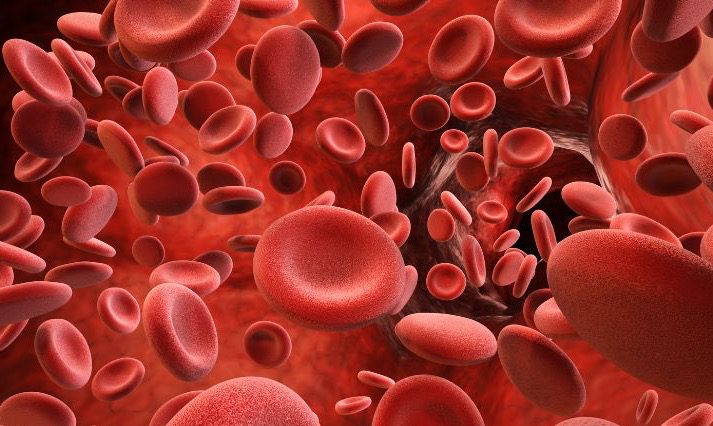
Within days after fertilization, the developing baby begins forming the building blocks of blood. Special cells called hemangioblasts appear in the yolk sac and nearby tissues around the 15th or 16th day. These cells create clusters known as blood islands. Inside those islands, some cells become the first blood cells while others form the lining of early blood vessels. Red blood cell production, known as erythropoiesis, starts in the yolk sac during these earliest weeks. These first red blood cells carry a form of hemoglobin suited to the baby’s environment, allowing efficient oxygen delivery even before the placenta is fully established.
By about five weeks, production shifts to the liver, which becomes the main site for making red blood cells. The spleen also contributes for a time. This orderly change ensures a steady supply as the baby grows rapidly. The process follows clear stages: stem cells develop into progenitors, then into cells that begin packing hemoglobin into their structure. After further maturation, the cells release their nuclei and enter the bloodstream as ready-to-work red blood cells. This entire sequence takes roughly one week for each new cell.
A Growing Network of Vessels and a Beating Heart
At the same time blood cells appear, the circulatory pathways take shape. Blood islands connect into tubes that link with the developing heart. The heart itself begins beating around day 21, pumping this new blood through a growing network. By the fourth week, basic circulation patterns are in place. New vessels form both from the original blood islands and through the growth of additional branches. This coordinated development supplies every part of the expanding body.
The placenta plays a vital supporting role without ever mixing the baby’s and mother’s blood supplies. Tiny vessels from the preborn baby extend into the placenta, where oxygen and nutrients pass from the mother’s blood into the baby’s bloodstream, and waste products move the other way. The umbilical cord carries this exchange with one vein bringing oxygen-rich blood to the baby and two arteries returning blood to the placenta. Special pathways, or shunts, guide the flow so that the baby’s still-maturing lungs and liver receive only what they need while the rest of the body gets priority oxygen.
The Final Transition to Bone Marrow
Around the fifth or sixth month, the bone marrow takes over as the primary factory for red blood cells. This shift prepares the baby for life after birth, when the bone marrow will remain the lifelong source of new blood cells. Throughout pregnancy, the preborn baby produces fetal hemoglobin that holds oxygen more tightly than adult hemoglobin. This adaptation helps the baby thrive in the lower-oxygen setting of the womb. Hormonal signals respond to the baby’s needs, adjusting production so that the blood supply keeps pace with growth.
These steps reveal a system that is both self-sufficient and perfectly timed. From the earliest blood islands to the mature marrow, every stage builds an independent circulation that belongs entirely to the preborn child. The mother’s body provides support through the placenta, yet the blood itself, the vessels, and the pumping heart are the baby’s own.
This careful sequence invites us to pause in wonder. Scripture reminds us that we are fearfully and wonderfully made. The medical details of how a preborn baby creates and maintains a personal blood supply confirm that design at every turn. Each new person is valued from conception onward, equipped with systems that sustain life in ways that continue to amaze those who study them.
If these facts stir your heart to protect and celebrate life in the womb, visit the ProLife Doc website for more resources and information. Consider supporting the ministry financially so this education can reach others, or explore the curriculum designed to equip people with clear scientific and medical truth so that they can more strongly defend the preborn.
