
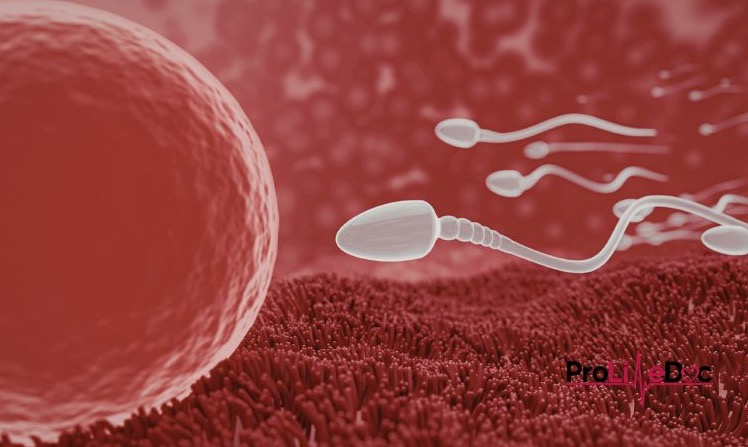
Pro-abortion advocates like to paint the pro-life movement as one based solely on a religious fervor, while they claim to have “the science” on their side. Though pro-life Christians do recognize every human being as an image-bearer of God, pro-life arguments do not at all contradict scientific truth; moreover, as Christians hold that God is the author of nature (and therefore science), the notion that science and religion can be at odds is just plain wrong. The truth is, In a world filled with complex debates, the pro-life movement stands firm on a foundation of solid scientific evidence. God is the Creator of all human life and all science. Therefore, all true science will always defend His preborn in the womb.
As we delve into the medical and biological realities of human development, it becomes clear that protecting life from its earliest stages aligns with what research reveals about our shared humanity. Dr. William Lile, known as the ProLife Doc, has dedicated his career as an obstetrician to sharing these insights, equipping people with knowledge to advocate respectfully for the preborn. Through his work, we see how science illuminates the value of every human life, starting right at the beginning.
The Scientific Consensus on When Life Starts
Biology provides compelling evidence that a new human life emerges at the moment of fertilization. When living sperm and living egg combine, they create a zygote, a single cell with a complete set of genetic instructions unique to that individual. Surveys among thousands of biologists affirm this view, with an overwhelming majority agreeing that this marks the start of human existence.
This process involves intricate signals, complex growth, and bursts of activity directed by the human blueprint present in the DNA of every single nucleated cell of the preborn child. Far from being just a potential life, the zygote is a new life — one at a specific stage, self-directed and established as a distinct organism separate from the mother’s body. These facts challenge outdated notions of life’s beginning and invite us to appreciate the miracle of conception as the true origin of each person’s story.
Milestones in Preborn Development
As development progresses, the preborn child reaches remarkable milestones that underscore their humanity. By around three to four weeks after conception, a tiny heart begins to beat, circulating blood to fuel rapid growth of the 200,000 living cells. Organs form early on, and by six weeks, the heart’s structure allows for efficient pumping of life sustaining red blood cells throughout the baby’s tiny body. Advances in medical imaging, like ultrasounds, let us witness behaviors such as thumb-sucking or responding to touch, often as early as 12 to 14 weeks. Evidence also suggests that the preborn can experience sensations, including forms of pain, around this time, based on updated studies of neural development.
Neonatal care has pushed the boundaries of viability, with some infants surviving outside the womb as early as 21 weeks 1 day into gestation, thanks to innovative treatments. Procedures like fetal surgery treat the preborn as patients in their own right, addressing health conditions while still in the womb. Fetal blood transfusions have been performed as early as 15 weeks after conception. These achievements not only save lives but also humanize the preborn, showing them as active participants in their own journey toward birth.
Addressing Misconceptions with Facts
Some arguments dismiss the preborn as simply a cluster of cells or question their status based on size, location, or level of independence. Yet science counters these ideas effectively. The preborn differ from adults only in temporary ways, such as their smaller size or reliance on their mothers, but these things do not diminish their inherent worth. From day one, they possess the capacity for growth, self-regulation, and eventual self-awareness, forming a continuous thread of human life. Whether one cell or one billion cells, each cell of a developing baby contains the same genetically unique DNA. That same DNA can even be used to precisely identify an individual centuries after their death.
Claims that science leaves room for debate on this point often overlook the consensus in embryology, where no credible evidence supports treating the preborn as anything less than fully human. By examining these details, we can move beyond myths and embrace a view grounded in careful observation. It is not a matter of consciousness or experience; it is a matter of whether the baby is a human being. The answer to that question is a resounding “yes!” And all human beings have human rights!
Bridging Science and Compassion
Ultimately, the pro-life perspective harmonizes scientific truth with a deep sense of compassion. Recognizing the preborn’s dignity encourages us to support mothers, advance medical research, and foster communities that value every life. Faith traditions often complement this science, seeing it as a window into the wonder of creation, but the facts stand on their own merit. This approach inspires hope and calls forth our most noble instincts, reminding us that protecting the vulnerable strengthens society as a whole.
If these insights intrigue you, visit the ProLife Doc’s website to discover more resources and information on safeguarding life in the womb. Consider supporting the ministry through financial contributions to expand this vital work, or explore the ProLife Doc’s comprehensive curriculum to deepen your understanding and share it with others. Together, we can build a future rooted in scientific and moral truth.
