
In the quiet sanctuary of the womb, a masterpiece unfolds as each preborn child takes shape, reflecting the intricate handiwork of a loving Creator who knits each life with purpose and precision. This series explores the wondrous facets of fetal development, reminding us of the profound value inherent in every human from conception.
Today, we delve into the remarkable journey of the ear’s formation and the preborn baby’s growing ability to hear, particularly the soothing cadence of a mother’s voice. As the ProLife Doc, Dr. William Lile, often emphasizes in his educational outreach, these scientific insights not only highlight medical realities but also affirm the sacred dignity of life in the womb.
The Marvelous Formation of the Ear
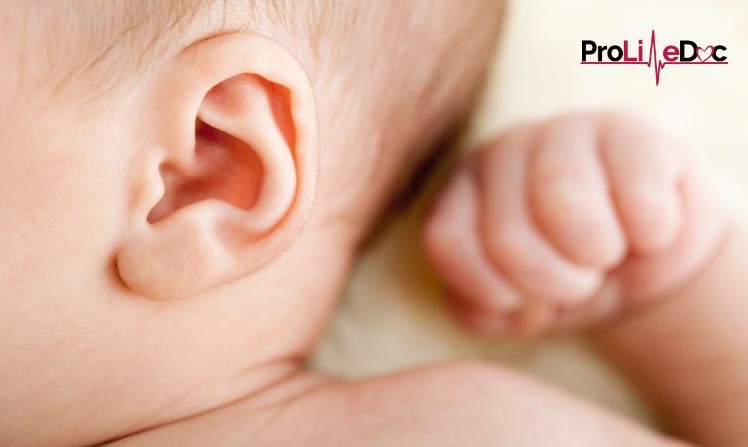
The ear’s development begins remarkably early in pregnancy, giving the developing child another sensory avenue for perceiving their world. Around the third week after conception, specialized cells in the embryo’s head region start organizing into foundational tissues for the face, eyes, nose, and ears. By the fifth to sixth weeks, the outer ear emerges as subtle indentations along the sides of the developing neck, gradually shifting upward to form the familiar shell-like structures we recognize.
Meanwhile, the inner and middle ear components take shape with equal intricacy. The cochlea, that spiral-shaped marvel responsible for converting sound vibrations into neural signals, begins forming around the seventh week. Hair cells within it differentiate, starting from the base and progressing outward, setting the stage for frequency detection. The middle ear bones, essential for amplifying vibrations, solidify during the first and second trimesters, connecting seamlessly to the brain’s auditory pathways.
This process continues refining until well into the third trimester, with the auditory cortex in the temporal lobe maturing to process incoming signals. The ear bones are some of the tiniest in the body, yet they are placed with such precision that it is impossible not to see the hand of the Creator preparing the preborn infant for a world rich in sound.
Awakening to Sound in the Womb
Hearing does not arrive all at once but awakens gradually, transforming the womb from a silent haven into a symphony of muffled melodies. By approximately 18 weeks of gestation, the ear structures have advanced enough for the preborn to detect initial sounds, though limited at first to internal rhythms like the steady thump of the mother’s heartbeat, the rush of blood through vessels, and the gentle gurgles of digestion. These low-frequency noises dominate the auditory landscape, filtered through layers of amniotic fluid and maternal tissues, which soften and distort external inputs.
As development progresses to 22 to 24 weeks, responses become more consistent. The baby may startle at sudden loud noises, such as a door slam or a siren, with observable changes in heart rate or movement. By 25 to 30 weeks, the auditory system sharpens further, allowing differentiation of pitches and tones. The cochlea’s hair cells tune to specific frequencies, enabling the preborn to perceive rhythmic patterns and variations in sound intensity.
Studies reveal that at this stage, brain activity shifts in response to auditory stimuli, with measurable increases in cerebral blood flow detectable through advanced imaging. This emerging sensitivity marks a pivotal shift, where the preborn begins engaging with the outside world through hearing, laying neural foundations that extend beyond birth.
Bonding Through Voice: Attuning to Mother
Among the myriad sounds filtering into the womb, none holds more significance than the mother’s voice, which resonates with clarity due to its transmission via bone vibrations directly through her body. Low-pitched elements travel most effectively, allowing the preborn to attune to the unique timbre and rhythm of maternal speech.
From around 25 weeks onward, the developing child exhibits preferences, with heart rates accelerating in alertness upon hearing familiar voices, particularly the mother’s. Behavioral responses follow, such as turning toward the source or altering movements — arms, head, or even mouth movements that mimic singing when lullabies are crooned.
That same sense of fetal hearing is also routinely used to assess fetal well-being in the womb. A fetal vibratory stimulator (or vibroacoustic stimulator, VAS) is a non-invasive, handheld medical device placed on the mom’s abdomen to emit sound and vibration, usually to encourage fetal movement or trigger heart rate acceleration. This response gives strong reassurance that the neurologic status of the baby is on track. We ask the baby a question, and the baby responds back: “I am doing well!”
This attunement fosters profound benefits, nurturing early bonds and supporting neurological growth. Exposure to maternal sounds promotes thickening in the auditory cortex, enhancing plasticity and preparing the baby’s brain for language acquisition. Post-birth, newborns show innate recognition of these voices, finding comfort in what they first encountered in the womb. Fathers and other family members can contribute too, as repeated exposure helps the preborn distinguish additional familiar tones, strengthening familial connections.
Music and stories shared during pregnancy further enrich this experience, with rhythmic elements potentially mirroring the mother’s movements, like walking, to influence sensory integration. These interactions highlight how hearing serves not just as a sense but as a bridge, weaving emotional ties even before the first breath.
A Testament to Divine Design
Contemplating this delicate process evokes deep awe at the Creator’s wisdom. Each stage of ear development, from embryonic cells to a fully responsive system, reveals intentional craftsmanship, affirming that every preborn child bears intrinsic worth from the moment of conception. The ability to hear and respond to a mother’s voice speaks to a design that prioritizes relationship and connection, mirroring the relational nature of our faith. In a world that sometimes overlooks these miracles, such knowledge inspires us to cherish and protect the vulnerable, recognizing the spark of life as a divine gift.
Interestingly, what researchers have learned about babies hearing in the womb, God already told us in the Bible. In Luke 1: 41-44, Mary visits Elizabeth, who is about six months pregnant (Luke 1:14), after conceiving Jesus:
When Elizabeth heard Mary’s greeting, the baby leaped in her womb, and Elizabeth was filled with the Holy Spirit. [. . .] “As soon as the sound of your greeting reached my ears, the baby in my womb leaped for joy.”
This passage reveals to us that babies not only hear, but feel joy (and that their mothers can sense it) — even at six months! How wonderful that God revealed to us over 2,000 years ago what science is only beginning to understand. Luke was a physician and thus he gives a unique perspective of the relationship between John the Baptist at 6 months gestation and Jesus at 3 months gestation. John the Baptist truly fulfilled his role of “preparing the way for Christ.”
For those eager to learn more, visit the ProLife Doc’s website to discover additional resources on fetal development and ways to advocate for life in the womb. Consider supporting this vital ministry through financial contributions, or explore the comprehensive curriculum to equip yourself and others with tools for compassionate, fact-based discussions. Together, we can celebrate and safeguard these fearfully and wonderfully made lives.
