
As an obstetrician, I have had the honor of witnessing human life from its earliest stages. Every moment of development in the womb is a miracle of design, and every heartbeat testifies to the value of the preborn child.
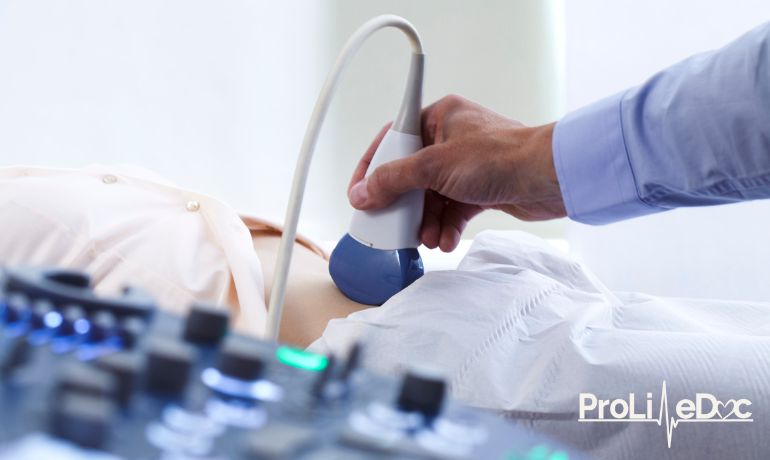
Modern medicine continues to give us new tools to protect both mothers and their babies, and one of the most promising recent advances is the use of artificial intelligence in routine ultrasounds. This technology is showing real potential in helping us detect congenital heart defects earlier and more accurately than we could before, which can be lifesaving for preborn patients.
Understanding Congenital Heart Defects in the Womb
Congenital heart defects, or CHDs, are structural abnormalities in the heart that develop before birth. They are one of the most common types of birth defects, and some can be life-threatening if not identified and managed quickly.
Traditionally, we have relied on ultrasound imaging to screen for these conditions. While ultrasound is a remarkable tool, even experienced physicians and techs sometimes face challenges in identifying certain defects, especially when they are subtle or when imaging conditions are less than ideal. This means that some heart problems can go unnoticed until after birth, when the baby may suddenly face a cardiac crisis.
This is where artificial intelligence is beginning to make a difference. AI can be trained to analyze ultrasound images with extraordinary precision, flagging patterns or anomalies that the human eye might miss. Rather than replacing physicians, AI acts as an additional set of highly trained “eyes,” supporting obstetricians in making sure no preborn patient’s condition goes undetected.
How Artificial Intelligence Improves Detection
Recent studies have shown that AI can significantly improve the accuracy of identifying congenital heart defects during routine screenings. For example, researchers have found that AI-assisted systems can detect certain heart abnormalities at much higher rates than traditional ultrasound interpretation alone. In one study, AI improved the detection of complex defects that otherwise might have been overlooked until late in pregnancy or even after delivery.
What makes this advance especially powerful is that it can be integrated into the same ultrasounds we already perform as part of standard prenatal care. This means mothers do not need extra invasive testing to benefit from the technology. The AI system reviews the ultrasound images in real time, highlighting areas of concern so that the physician can take a closer look. By working together, human expertise and machine learning create a stronger safety net for our preborn patients.
Why Early Detection Matters
When a congenital heart defect is identified before birth, doctors and families have time to prepare. Specialized care teams can be ready at the moment of delivery, and in some cases, treatment can even begin while the baby is still in the womb. Early detection allows parents to receive counseling, gather support, and ensure that their child has the best possible chance at a healthy future. Sometimes, the location of delivery must be changed to allow the baby to be born where pediatric specialists are readily available. You do not want to have a mother recovering in Hospital “A”, while the baby is transferred to hospital “B”.
Every heartbeat is precious. By using the latest tools wisely, we affirm that a preborn patient is a person whose life matters deeply. Artificial intelligence is not a replacement for the compassion and judgment of a physician, but it is a tool that allows us to protect the lives entrusted to us with greater vigilance. It reminds us that science and faith are not at odds but together point to the profound design and dignity of human life from the very first moment of development.
If you would like to learn more about the miracle of life, explore resources to empower mothers, or order the ProLife Doc curriculum to educate and equip others, I invite you to visit prolifedoc.org. Your prayers, your donations, and your involvement make it possible for us to continue championing the cause of life.
