
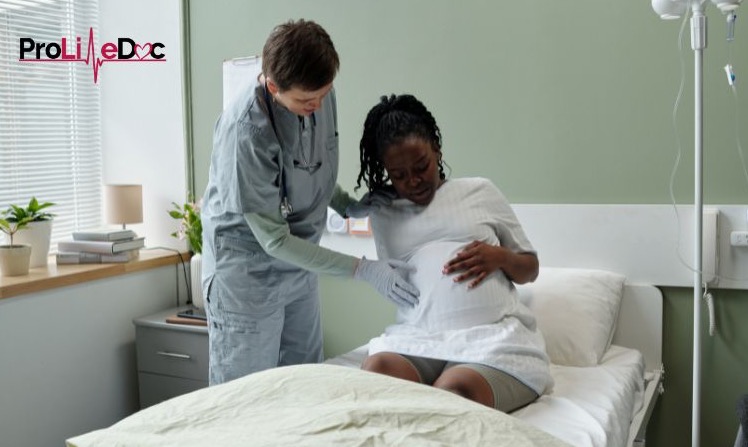
In the world of obstetrics, few topics stir as much emotion as the health of a pregnant woman facing a crisis. As a pro-life obstetrician dedicated to honoring every life from conception, I have seen firsthand how medical advancements allow us to protect both the mother and her preborn child when complications happen.
Through my work as the ProLife Doc, I aim to equip families and advocates with facts that affirm the value of every human being. Today, let’s explore how a pro-life perspective handles medical emergencies, showing that true care seeks to save lives without sacrificing one for the other.
Understanding Medical Emergencies in Pregnancy
Pregnancy brings joy and a new world of possibility, but sometimes it can also present serious health challenges. Conditions such as severe preeclampsia, infections in the amniotic sac, or abnormal implantations can threaten a woman’s well-being. In these moments, the priority remains clear: provide immediate, compassionate treatment to stabilize the mother while doing everything possible to preserve the preborn child’s life. Medical professionals across the country, including those from organizations like the American Association of Pro-Life Obstetricians and Gynecologist (www.AAPLOG.org) , emphasize that interventions in these cases should focus on healing the underlying health issue rather than ending a life.
Experts agree that no situation demands the deliberate termination of a preborn child’s life as the only way to resolve a maternal health crisis. Instead, physicians rely on established protocols that treat the mother and child as two distinct patients deserving equal respect. For instance, in cases where a pregnancy complication escalates, doctors can induce labor early or perform a cesarean section to address the danger swiftly. These actions stem from a commitment to life-affirming healthcare, where the goal is always to promote healing and dignity for everyone involved. Recently a baby survived after being delivered at 21 weeks and 1 day gestation weighing 14.8 ounces.
Distinguishing Treatment from Abortion
A key distinction lies in the intent behind medical procedures. Induced abortion involves the purposeful ending of the preborn child’s life, usually unrelated to any immediate health threat. In contrast, emergency treatments during pregnancy aim to resolve the medical issue while striving to protect both individuals. This approach aligns with ethical principles that allow for interventions where the preborn child’s death might occur as an unintended outcome, but never as the primary objective.
Consider this principle upheld by many in the medical community: when faced with a pregnant woman who has a life-threatening condition, separate the mother and preborn child if necessary to save the mother’s life, but always with an effort to save the child’s life as well. This is not the same as abortion; it’s a lifesaving measure rooted in compassion. Many healthcare providers have signed declarations supporting this view, affirming that rejecting intentional abortions does not hinder optimal care for women. Such statements highlight how pro-life principles enhance medical practice by encouraging innovative, respectful solutions.
Real-Life Examples and Expert Insights
Take ectopic pregnancies, where the preborn child implants outside the uterus, often in a fallopian tube. This poses a grave risk to the mother if untreated. Physicians address it by removing the affected tube or using medication. Similarly, in cases of premature rupture of membranes or severe maternal infections, the prescribed procedure is early antibiotics and delivery. Doctors work to deliver the child alive whenever possible, providing neonatal care to give the tiniest patients a fighting chance.
The experiences of pro-life neonatologists and obstetricians reinforce this: even with challenging prenatal diagnoses, families benefit from meeting their child, no matter the outcome. Stories from practitioners show that mothers rarely regret choosing paths that honor their preborn child’s dignity. In emergencies like HELLP syndrome (a serious liver and blood clotting disorder) prompt delivery saves the mother without needing to intentionally harm the child. These examples demonstrate that pro-life care is not only possible but often leads to better emotional and physical outcomes for families.
How Pro-Life Laws Safeguard Women
Across the United States, pro-life legislation includes clear provisions for medical emergencies, ensuring women receive urgent care without delay. In states like Texas, laws define emergencies as conditions where pregnancy aggravates a physical threat to the mother’s life or major bodily functions. These statutes exempt treatments for ectopic pregnancies and incomplete miscarriages from the definition of abortion, allowing doctors to immediately act based on sound medical judgment.
Nationwide, such laws protect women, contrary to misconceptions that they block lifesaving interventions. Instead, they require physicians to make reasonable efforts to preserve both lives, granting immunity for unintentional harm during treatment. This legal framework supports women by clarifying that standard obstetric practices, such as managing miscarriages or addressing placenta issues, remain fully accessible. By debunking myths that portray pro-life measures as restrictive, we see how these laws actually uphold high standards of care, empowering doctors to intervene immediately and confidently.
Sadly, the pro-abortion advocates propagating these myths to scare women into opposing pro-life laws are harming pregnant women by making them anxious, discouraging them from seeking medical care when needed and putting them and their babies’ lives at risk. Every pro-life advocate supports these laws. In embracing a pro-life approach, we celebrate the resilience of mothers and the potential of every preborn child. Medical emergencies test our values, but they also reveal the beauty of compassionate, fact-based care that values all lives.
If this message resonates with you, I invite you to visit the ProLife Doc website for more resources on protecting life in the womb. Consider supporting our ministry through a donation to help spread this vital education, or explore our curriculum to equip yourself and others in the fight for life. Together, we can build a world where every mother and child thrives.
