
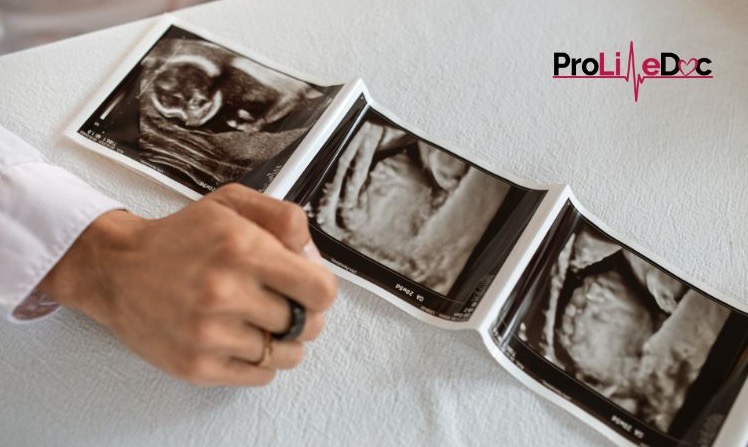
Every time the ultrasound probe is placed on a mother’s abdomen and I see a preborn baby at twenty weeks turn toward the sound of her voice or practice breathing movements, I am reminded again of the intricate wonder woven into every stage of human development.
As an obstetrician who has spent decades guiding families through pregnancy and delivery, my mission at ProLife Doc is to share clear medical and biblical truths so we can all stand confidently for the preborn. Late-term abortions challenge us to face facts that many would rather avoid, yet those same facts also reveal the beautiful design present in each human being from their very first cell.
What is Late-Term Abortion?
Late-term abortions generally refer to procedures performed after twenty weeks of pregnancy. At this point, the preborn child is fully formed: a tiny human being with distinct features, measurable brain activity, and the capacity for survival outside the womb with medical support.
By twenty weeks the heart has been beating steadily since 22 Days after conception.. The lungs are developing air sacs that will one day fill with breath. Pain pathways are active in the nervous system. The baby can taste flavors from the amniotic fluid, respond to touch, and show clear sleep-wake cycles. Fingerprints have already formed — prints that are unique and will identify that individual for life. These milestones are not abstract science; they are observable realities witnessed daily in the delivery room and on the ultrasound screen.
The Ugly Truth
The procedures used in late-term abortions are cold and brutal, forcing us to confront the moral bankruptcy required to perform such an act. One common method is dilation and evacuation. The cervix is opened over hours or days, then surgical instruments are introduced to grasp the preborn baby’s limbs and torso. The body is removed in sections because the child is now too large to pass through the cervix intact without a full birth experience.
In another approach, a physician injects a substance such as Digoxin or Potassium Chloride directly into the preborn baby’s heart to stop it, confirms the child’s death by ultrasound, then induces labor so the mother delivers the remains. Medical studies document cases in which the preborn child is born alive during these processes and receives no resuscitation or comfort care, but is left to die slowly and painfully on a metal tray. These steps are performed with the explicit goal of ending the baby’s life, either inside the womb or out of it.
The medical risks of late-term abortion to the mother are also significant. Because the procedures require extensive cervical dilation and intrauterine manipulation, complications such as heavy bleeding, infection, cervical tears, and retained tissue occur more frequently than in earlier abortions. Some women have required emergency surgery or hospitalization. These are not minor side effects; they represent real physical trauma added to the emotional weight these mothers are already carrying.
What Does This Say About Us?
What makes the horror of late-term abortions especially clarifying is how plainly they display the humanity we recognize in every newborn. The same preborn child who could have been delivered alive and cared for in a neonatal unit is instead dismembered or poisoned. That visible reality sharpens our understanding: the preborn and the born are the same person at different stages of growth.
Yet this truth applies to every abortion, not only those performed later. Whether at six weeks or twenty-six weeks, the act ends a developing human life through chemical disruption or physical destruction. The violence is present from the beginning; late-term cases simply unmask the fiction that the preborn child is somehow less real or less worthy of protection.
Fearfully and Wonderfully Made
As a Christian physician, I see the hand of the Creator in every detail of fetal development. The way the body systems coordinate, the way reflexes emerge right on schedule, the way each child arrives with a unique genetic blueprint. All of it declares that we are fearfully and wonderfully made. No stage of pregnancy changes the core fact that this is a person known and loved by God. The worth of that life does not increase with size or gestational age; it exists fully from conception.
No matter what the world says, we do not have to accept the idea that some lives are disposable because of their location or stage of growth. Science, medicine, and faith converge on the same conclusion: every preborn child deserves our protection.
If these truths resonate with you, I invite you to explore the resources at the ProLife Doc website. You will find videos, articles, and studies that equip you to speak with confidence wherever the conversation turns to life in the womb. Consider supporting this ministry financially so we can continue reaching more hearts and minds. And if you are looking for a structured way to learn and teach these medical realities, take a look at the curriculum designed specifically to strengthen pro-life voices across churches, schools, and communities.
Together we can affirm the dignity of every preborn child and point families toward hope instead of despair. The truth about late-term abortions ultimately points us back to the greater truth that every life is precious from the moment it begins.
