
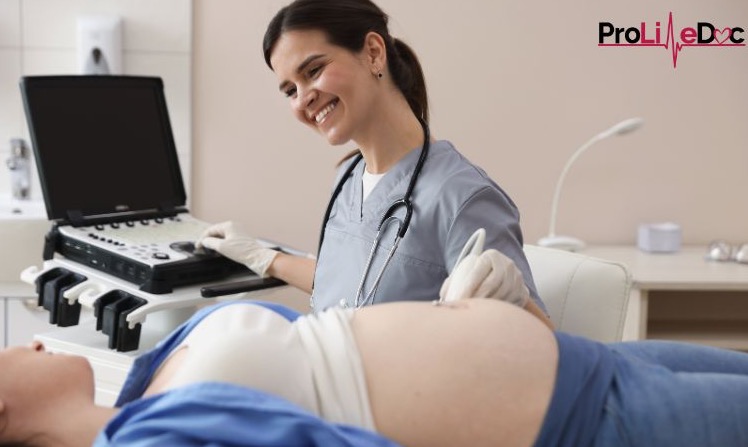
In the field of obstetrics, few topics spark as much thoughtful discussion as the care of multiple pregnancies. When a mother is carrying two, three, or even more babies at once, the pregnancy presents additional challenges for her care team. They often require measures like bed rest, specialized nutrition, and the presence of neonatal specialists at the birth, since multiples are known to come early in many cases.
As a pro-life obstetrician dedicated to honoring every human life from its earliest moments, I sometimes encounter questions about procedures that challenge these core values. Selective termination, also called multifetal pregnancy reduction, involves intentionally ending the life of one or more preborn children in a multiple gestation to improve health outcomes for the others. Pro-life obstetrics firmly stands against this practice, taking instead a position that is rooted in a profound respect for the dignity of all human beings. Through my work as the ProLife Doc, I aim to equip families and medical professionals with knowledge that celebrates life and explores compassionate alternatives.
Viewing the Preborn as Patients
At its heart, pro-life obstetrics recognizes that each preborn child is a unique patient deserving of protection and care. When a pregnancy involves twins, triplets, or more, the goal remains to support the health of the mother and all her children. Selective termination, however, directly targets and eliminates specific lives deemed less viable or more burdensome.
This approach contradicts the foundational belief that human life holds inherent value from conception onward. Pro-life medical ethics emphasize that no circumstance justifies the deliberate ending of an innocent life, even when motivated by hopes of safeguarding siblings. Instead, we focus on advancements in prenatal care that allow many high-order multiple pregnancies to thrive, with specialized monitoring and interventions that prioritize every heartbeat.
Upholding Moral Integrity in Medical Decisions
Medical professionals who value and protect life reject the practice of selectively culling fetuses from multiple pregnancies because we understand that certain actions remain morally wrong regardless of intent. While a mother’s well-being is paramount, pro-life practitioners distinguish between treatments that unintentionally result in loss and those that aim to cause it.
For example, when managing a life-threatening ectopic pregnancy, the procedure addresses the medical crisis directly, with any fetal loss as a tragic but unavoidable consequence. However, selective termination differs fundamentally. Its purpose is to terminate selected preborn children. Organizations like the American Association of Pro-Life Obstetricians and Gynecologists understand that true compassionate care seeks to heal and preserve, not to select which lives are worthy to continue.
Challenging Exaggerated Risks with Hope
Moreover, pro-life obstetrics challenges the notion that risks in multiple pregnancies are so insurmountable that reduction is necessary. Medical literature and real-world experiences show that with expert oversight, including nutritional support, bed rest when needed, and timely delivery planning, families can welcome all their children safely.
Stories abound of parents who chose to carry multiples to term, discovering joy in the fullness of their family. These outcomes remind us that medicine should empower hope, not yield to fears that are often amplified by medical professionals seeking to persuade, not inform. By viewing each preborn child as a patient with rights, physicians avoid the ethical pitfall of assigning value based on convenience or probability, a stance that echoes deep concerns about humans overstepping divine boundaries in deciding the fate of their fellows.
Navigating Differences in Professional Guidelines
This pro-life perspective also contrasts sharply with guidelines from groups like the American College of Obstetricians and Gynecologists, which frame selective termination as a standard option in reproductive health. While that organization advocates for broad access to such procedures as part of patient autonomy, pro-life obstetricians argue that science and ethics demand a different path.
Critics within the pro-life community rightly point out that politically-driven positions may overlook long-term health data and diverse professional opinions. In fact, pro-life groups represent a significant range of voices in the field, promoting evidence-based practices that align with a commitment to protect all lives involved. Rather than division, this dialogue invites deeper reflection on how medicine can uphold the life-affirming standards on which it was built.
Inspiring a Future of Compassionate Care
Ultimately, pro-life obstetrics calls us to a higher vision of care, one that embraces challenges with innovation and faith. It inspires confidence that every preborn life contributes to the beautiful tapestry of humanity.
If these ideas resonate with you, I encourage you to visit prolifedoc.org for a wealth of resources on safeguarding life in the womb. Consider supporting this ministry through a donation to help spread the message, or explore my comprehensive curriculum to deepen your understanding and advocacy skills. Together, we can build a world where every child is cherished.
